


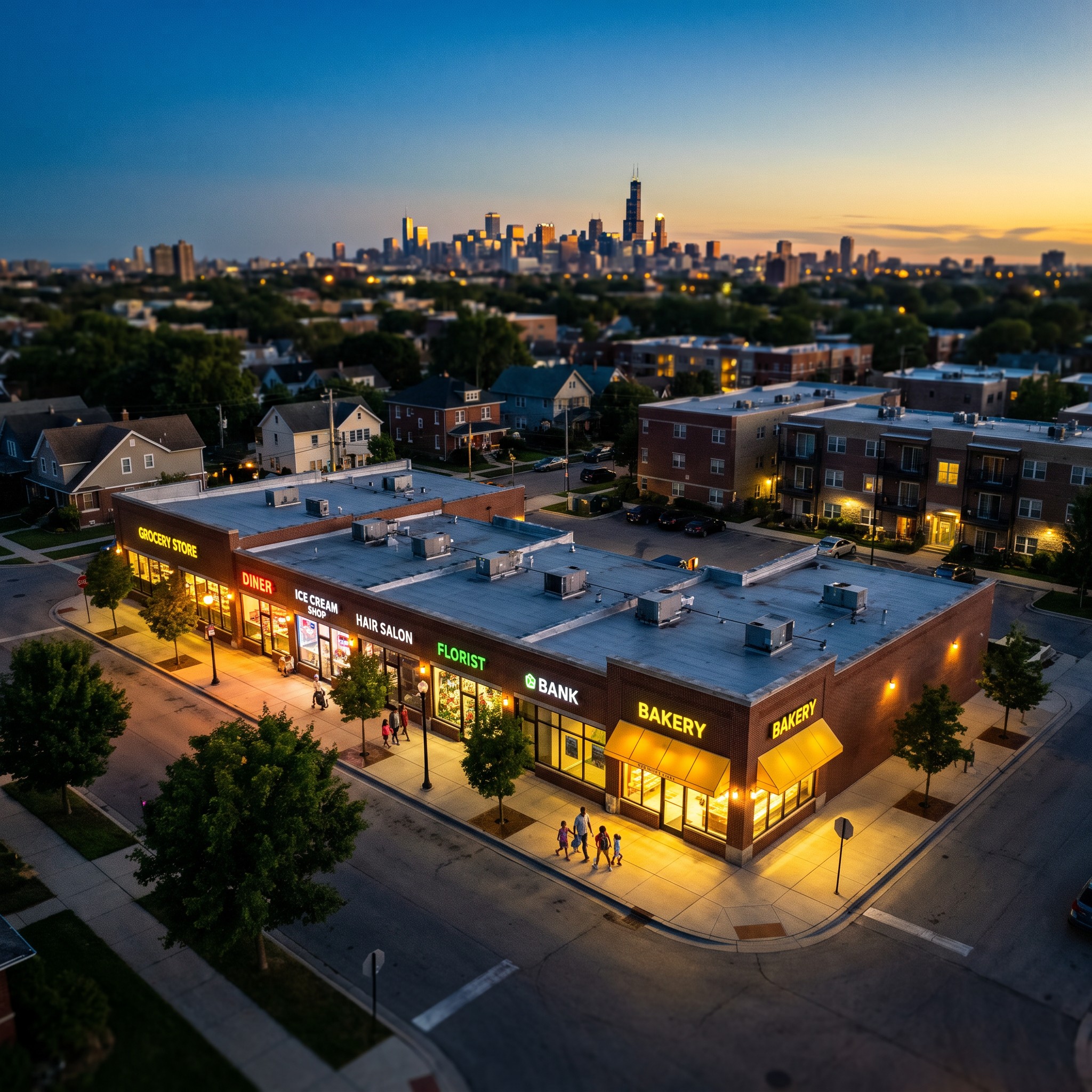
In our business, the anchor is the big tenant at the end of the strip, usually the grocery store, the one that brings the traffic. Spend enough years on a commercial corridor, though, and you learn the real anchor is somebody else. Her name is Sally.
Sally isn't one person. She's every kid who grew up within walking distance of a shopping center. Follow her for a few years and you'll see why we call the shopping center the anchor of a community.
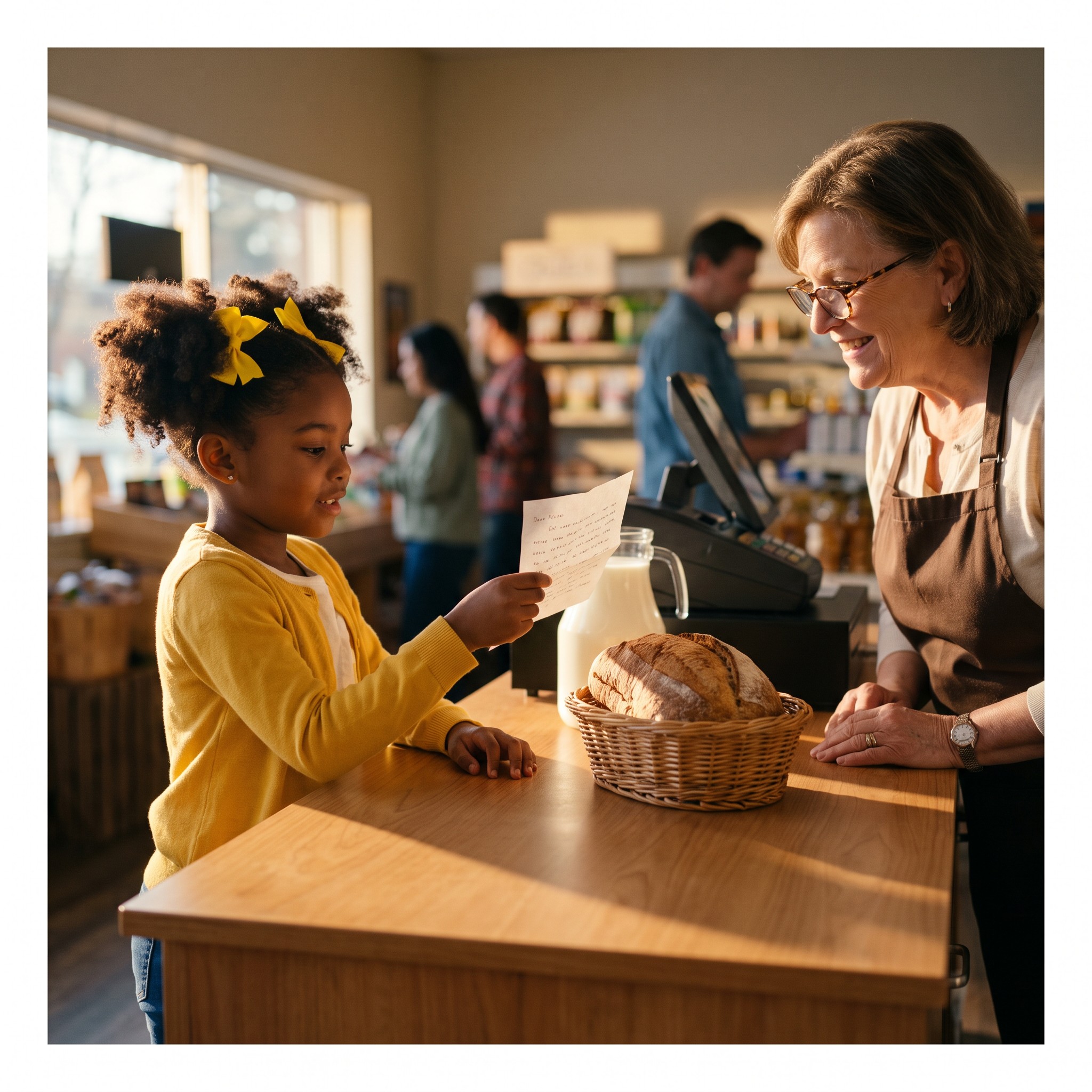
Seven years old, with a note
The first time Sally walks into the grocery store by herself, she's holding a note from her mom: a loaf of bread, a gallon of milk, and "she can pick out one candy bar." The cashier knows her family, so the note works. It's her first errand and her first taste of being trusted.
Straight A's, straight to the booth
Report card day has one reward that counts: dinner at the family restaurant two doors down from the dry cleaner. Same booth, same waitress, same milkshake. Ask grown-ups where they celebrated as kids and most of them will name a restaurant in a shopping center.
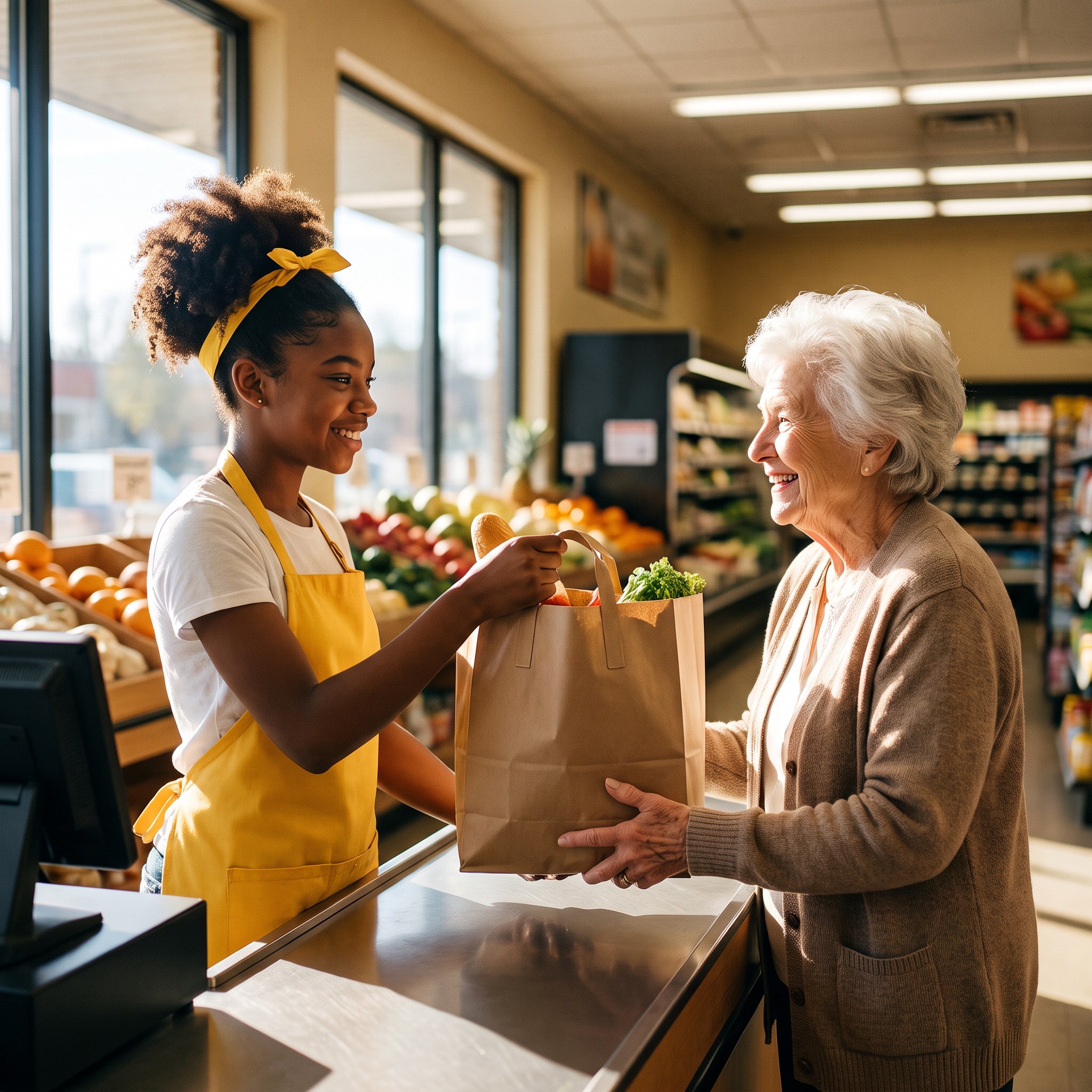
Fifteen, with a work permit
At fifteen, work permit in hand, Sally lands her first job. Maybe it's scooping ice cream, maybe it's bagging groceries at the same store where she used to bring the note. She learns to count back change, show up on time and smile at a customer who didn't smile first. She cashes her first paycheck at the bank branch on the corner of the lot.
Prom night
Junior year, it's the salon next to the pharmacy for prom hair and the florist across the lot for the corsage. Half the class is in the same parking lot that afternoon.
The keys
The summer before college, Sally and her dad walk the dealership down the corridor until they find the one: a used sedan with a good engine and plenty of miles. She drives it off the lot and right past every storefront that helped raise her.
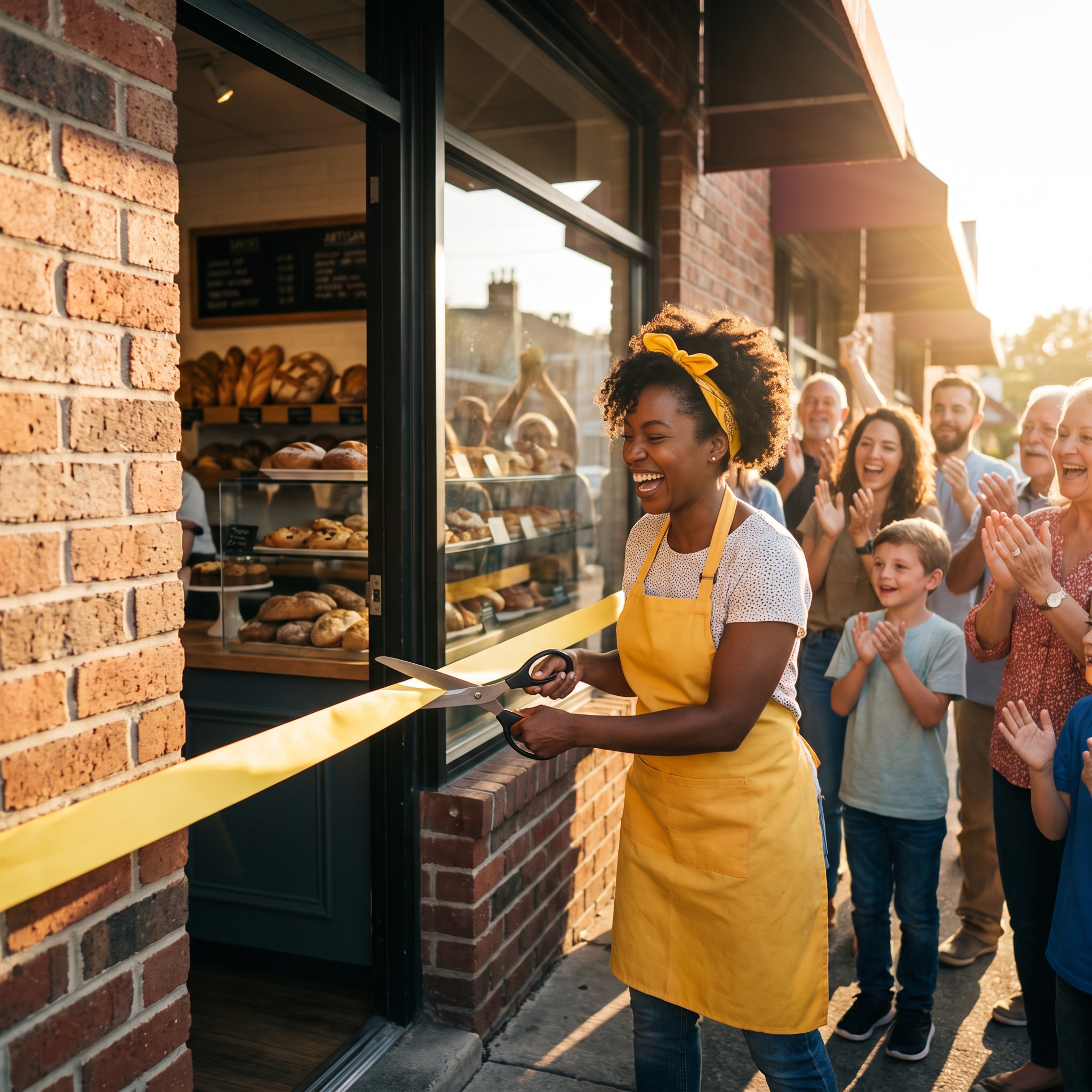
Her name on the sign
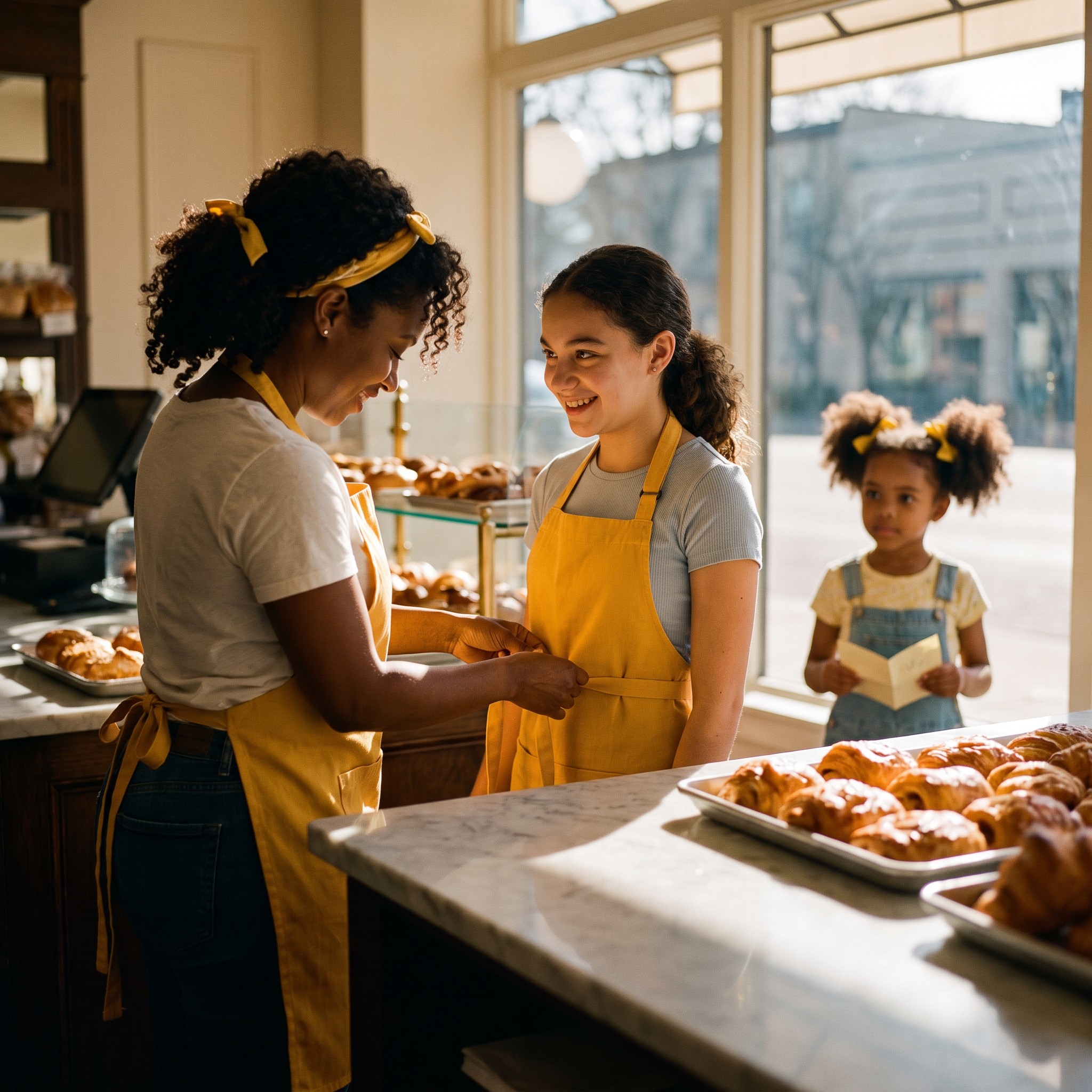
Years later, Sally comes home with a degree and an idea. She signs a lease on the end cap where the video store used to be and opens a bakery. The neighbors who watched her grow up become her first customers. The first person she hires is fifteen, with a work permit in hand.
That's what an anchor is
A shopping center is the most local real estate there is. It's where a neighborhood buys its groceries, fills its prescriptions, gets its hair cut, celebrates its report cards and starts its businesses. When a center is full, the whole block feels it. When it's half-empty, the whole block feels that too.
So when we look at a center, we don't just see a rent roll. We see the note, the booth, the first paycheck, the keys and the bakery. We see the next Sally, who's seven right now and about to walk in with a note of her own.
Invest in the center, invest in the neighborhood
When we invest in a shopping center, we're investing in the neighborhood economy: the first jobs, the paychecks, the small businesses and the dollars that stay on the block. Neighborhoods drive the city, and shopping centers drive the neighborhoods.
Why it matters who owns it
The right owner fills vacancies with tenants who serve the neighborhood, keeps the lot lit and the roofs tight, and saves an end cap for the next local business. An owner who's ready to move on deserves a buyer who sees the center the same way.
We buy shopping centers. We lease them. And we stay. Full, half-empty or heartbreak, tell us about your center.
Sally is a composite of the people we meet on every corridor we work. Images are AI-generated.